Most people have fillings of some kind in their mouths. Nowadays fillings are not only functional, but can be natural looking as well. Most people don’t want silver fillings that show when they laugh or smile because they are self-conscious about the way they look.
White fillings have always been considered less long lasting than silver amalgam fillings. However, there are now new materials available with similar properties to silver amalgam – and these are proving to be very successful. The life expectancy of a white filling can depend on where it is in your mouth and how heavily your teeth come together when you bite. Your dentist can advise you on the life expectancy of your fillings.
It is usually best to change fillings only when your dentist decides that an old filling needs replacing. If so you can ask to have it replaced in a tooth-coloured material. If the size of the existing cavity is too large, then filling may not be the best option. One way around this would be to use crowns or inlays, but this can mean removing more of the tooth and may be more expensive.
White filling materials can vary, but they are mainly made of glass particles, synthetic resin and a setting ingredient.
Adhesive dentistry is another form of treatment. This involves bonding the filling to the tooth. This means your dentist has to remove less of the tooth, which is better for preserving healthy teeth.

We work together with the dental hygiene clinic, which is based at the same location, to ensure that we keep your gums healthy and your teeth sparkling. Alternatively, your dentist can also perform a scale and polish as needed.
We always try and keep a tooth if possible. However, when a tooth has suffered significant damage and can no longer be saved, or is at risk of damaging other teeth or your gums, we can remove it for you.
The purpose of the root canal procedure (also known as endodontic treatment) is to rid a tooth of infection.
Once there is an infection in the the tooth, there are two options to remove the bacteria:
The bacteria inside the tooth is removed to prevent infection reoccurring. A root canal treatment, when done properly under the right circumstances, is a painless procedure with a high chance of success.
Root canal treatments help to save millions of teeth each year, relieving the patients from tooth pain. To understand how this procedure is conducted, you need to know a little bit about the tooth anatomy.
There is a soft tissue inside every tooth, which is called the pulp. This section is under the white enamel and is protected by a hard layer called dentin. The soft pulp contains blood vessels and nerves that are essential for root development of teeth. If the pulp becomes infected or inflamed due to factors such as decay, cracks, chips, damaged crowns and repeated unadvised procedures, it may cause severe pain and an abscess.
In an adult with fully-developed teeth, there is no need for pulp as the teeth continue to be nourished by the surrounding environment.
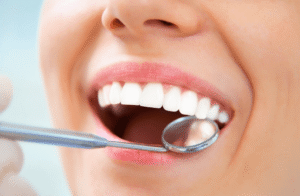
If you have missing teeth, we can provide a removable set of artificial teeth – either complete or partial – made to replace the natural teeth you have lost, which will restore the appearance and oral functions.
Do you ever wake up with sore teeth and an achy jaw? You could be suffering from bruxism, which is also known as teeth grinding. Bruxism typically happens unconsciously at night during sleep, but it can also occur during the day. It manifests as clenching and rhythmic contractions of the jaw muscles.







 INSTAGRAM